
Insights & Resources
Technical guides, industry analysis, and practical knowledge from 15+ years in architectural glass manufacturing.

 Buyer's Guide
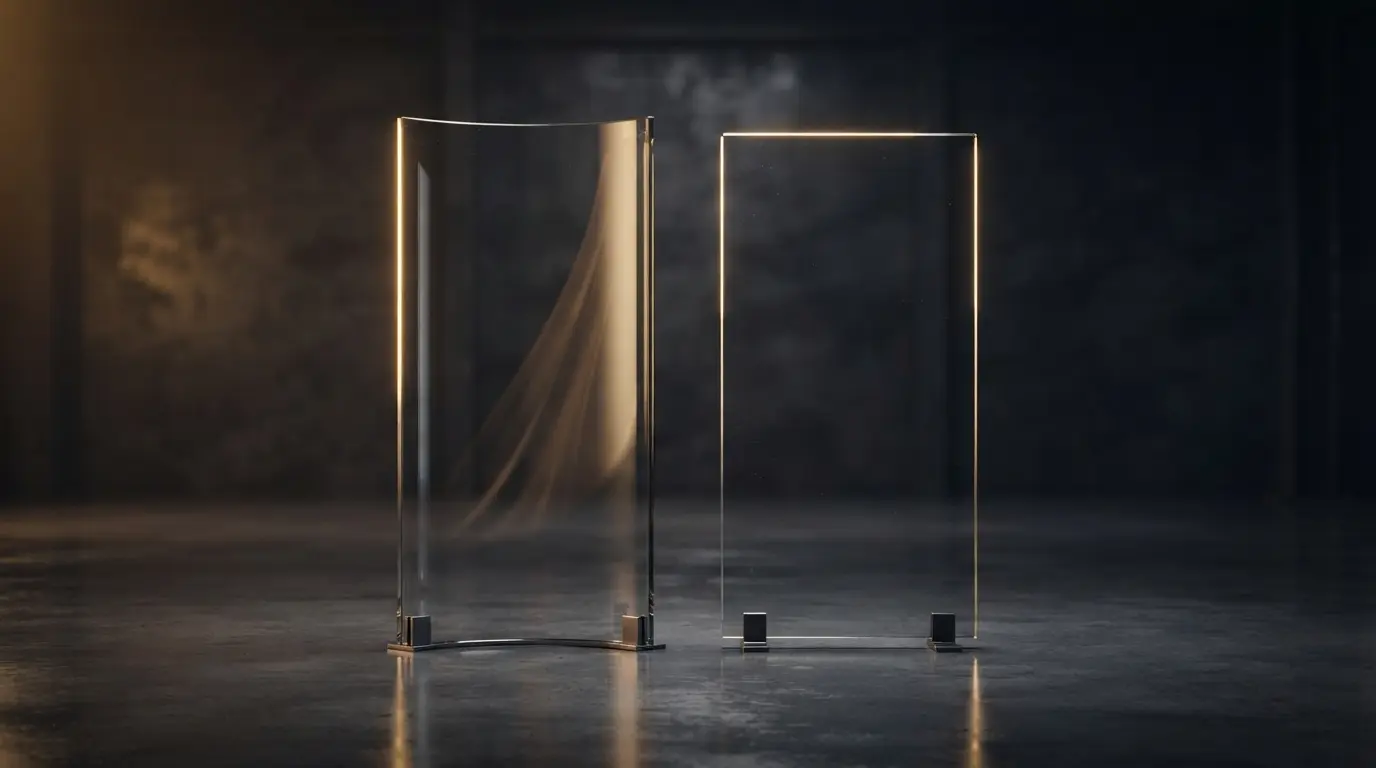
Curved Glass vs Flat Glass: When the Shape Premium Is Worth It (And When It Is Not)
Flat tempered glass is the default; curved is what you reach for when a specific constraint forces it. A factory-side guide to the real cost delta, the geometry decisions that actually require a curve, and six project scenarios with specific build-up and cost recommendations from a Wuhan line that produces both.
 Product Knowledge
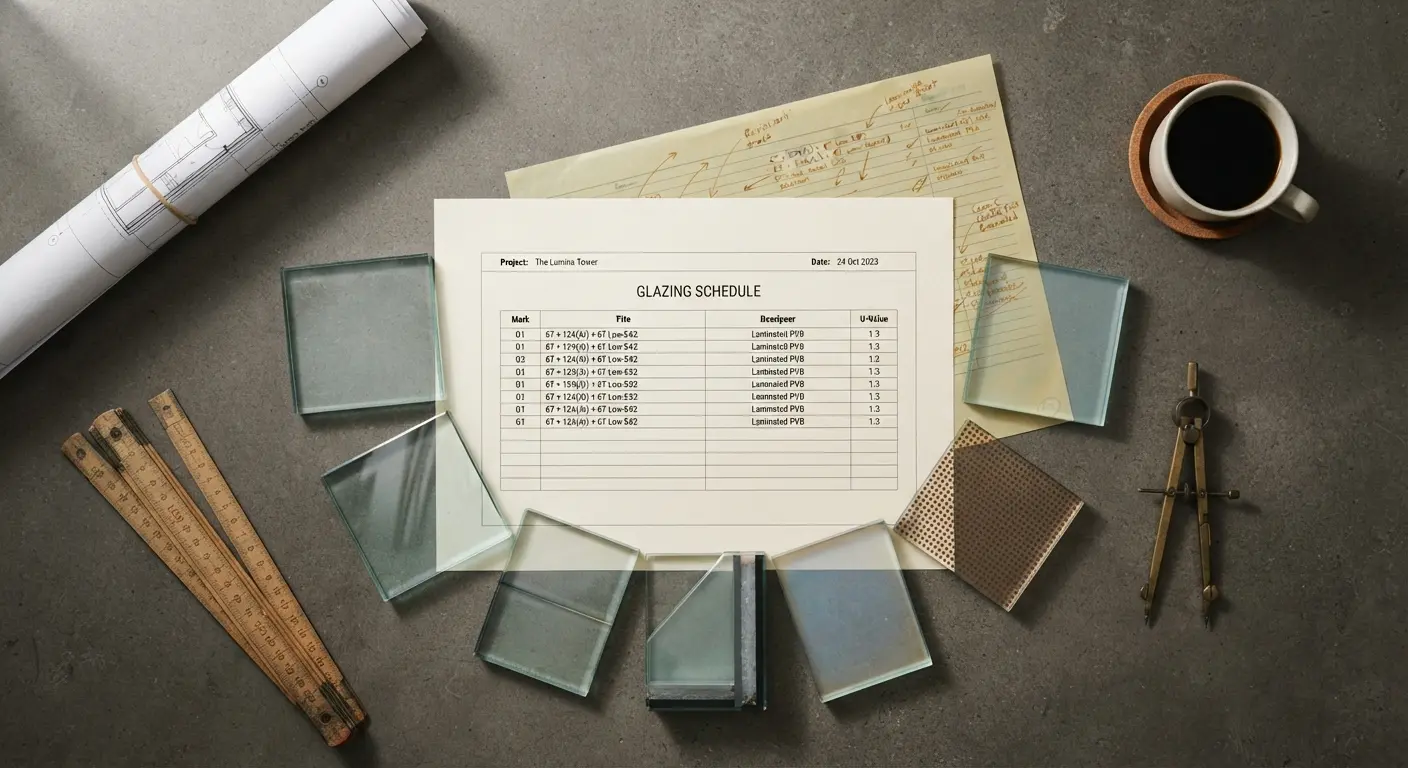
Architectural Glass Specification: The Complete 6-Attribute Decision Guide
An architectural glass specification is six decisions, not one: substrate, processing, thickness, assembly, coating, and panel size. The pillar guide to writing specs that quote in one working day, with glass-code conventions, capability envelopes, and the five pitfalls that cost real money.
 Product Knowledge
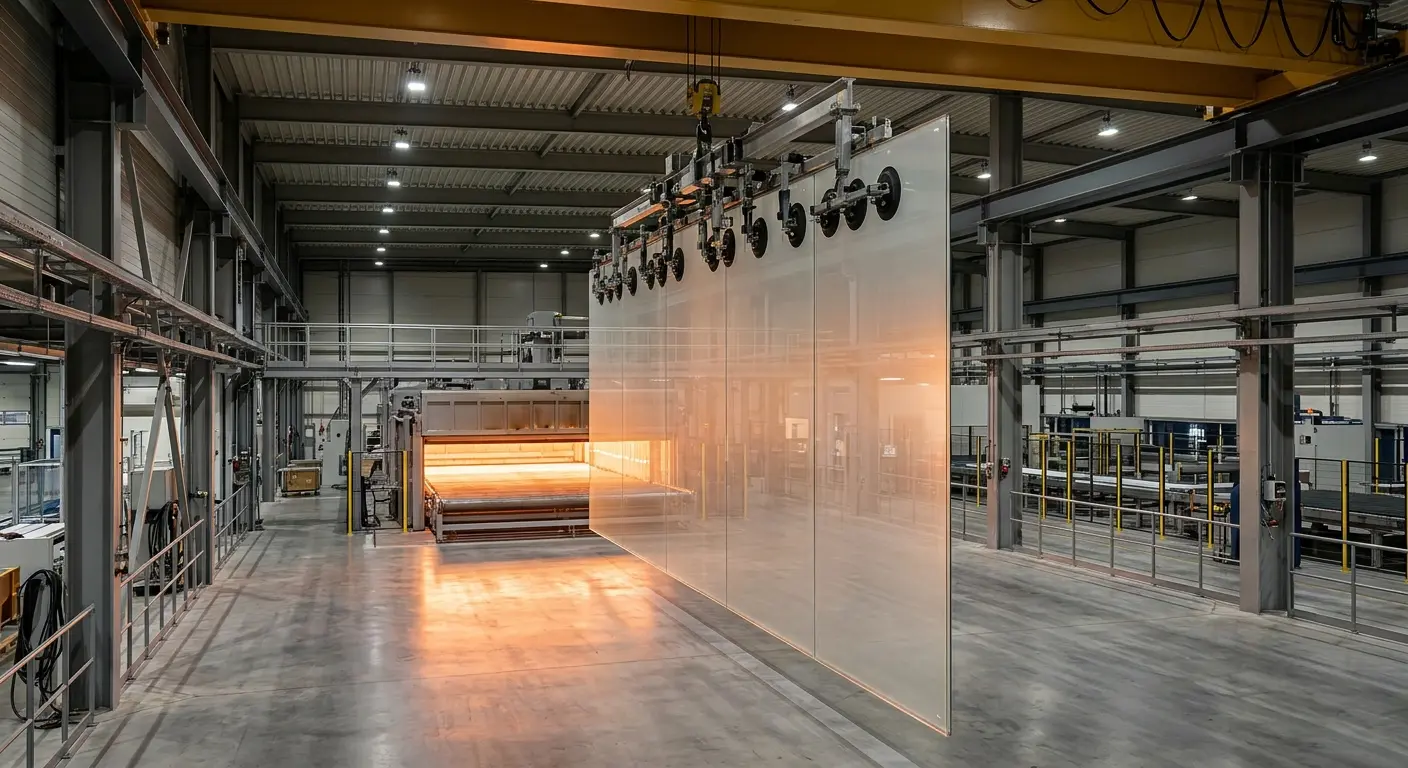
Jumbo Architectural Glass Panels: Capability, Specs, and Sourcing for 3 m x 15 m Builds
Jumbo glass starts at the point most factories can't produce it. A capability-driven guide to the physical limits of oversized tempered, laminated, and insulated panels, the four hard gates that filter the global supplier set, the transport reality from port to crane, and the 10-field RFQ that stops a landmark facade from drifting over budget. Written from a Wuhan line that runs 3 m x 15 m tempering and dry-laminating daily.
 Product Knowledge
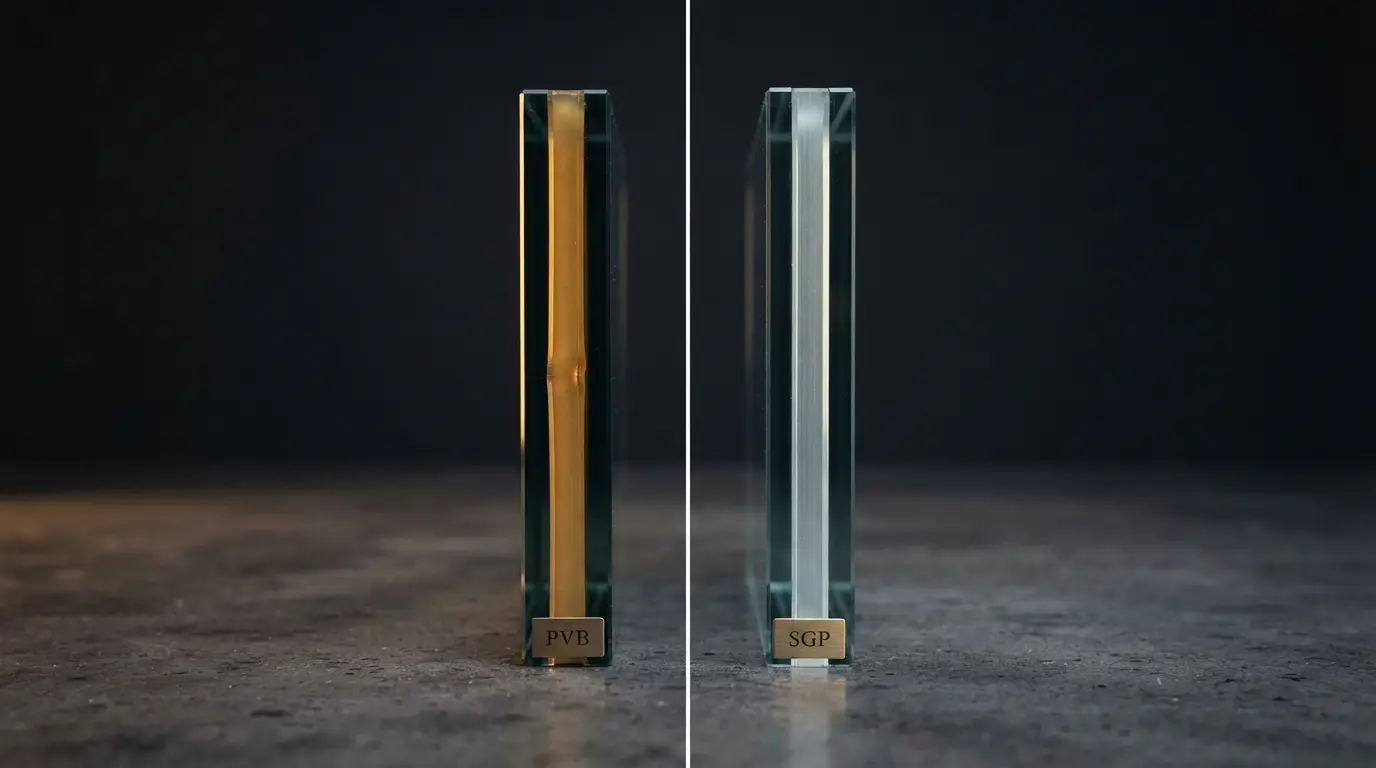
SGP vs PVB Interlayer Cost: When the Ionoplast Premium Pays Back (And When It Doesn't)
The interlayer alone is 15 to 40 percent of a laminated glass invoice. A factory-perspective guide to the real cost delta of SGP vs PVB, the performance SGP actually buys, the six specification scenarios we see most often, and a lifecycle ROI framework from a Wuhan laminating line.
 Product Knowledge
12mm Tempered Glass: Specifications, Panel Limits, and When It's the Right Choice
Why 12mm is the specification sweet spot for frameless balustrades, long-span canopies, and large-area storefronts — plus panel-size limits, thickness tolerance, edge options, and the cost factors buyers rarely see on a quotation.
 Buyer's Guide
The China Architectural Glass Buyer Guide: Who, Why, and How to Source Right
A hub guide for buyers sourcing architectural glass from Chinese factories. Covers the 6-phase sourcing lifecycle, 4 buyer archetypes, honest landed-cost math, and the 5 risks first-time buyers underestimate. Links to the three deep-dive chapters on vetting, importing, and shipping.
 Buyer's Guide
How to Vet a China Glass Supplier: A 5-Risk Threat Model from the Factory Floor
The deep-dive playbook on supplier vetting: five independent risks, the free document checks that cost nothing, the 90-minute video audit script by station, the eight certifications decoded against their public registries, and the signals that are negotiable vs the ones to walk away from.
 Buyer's Guide
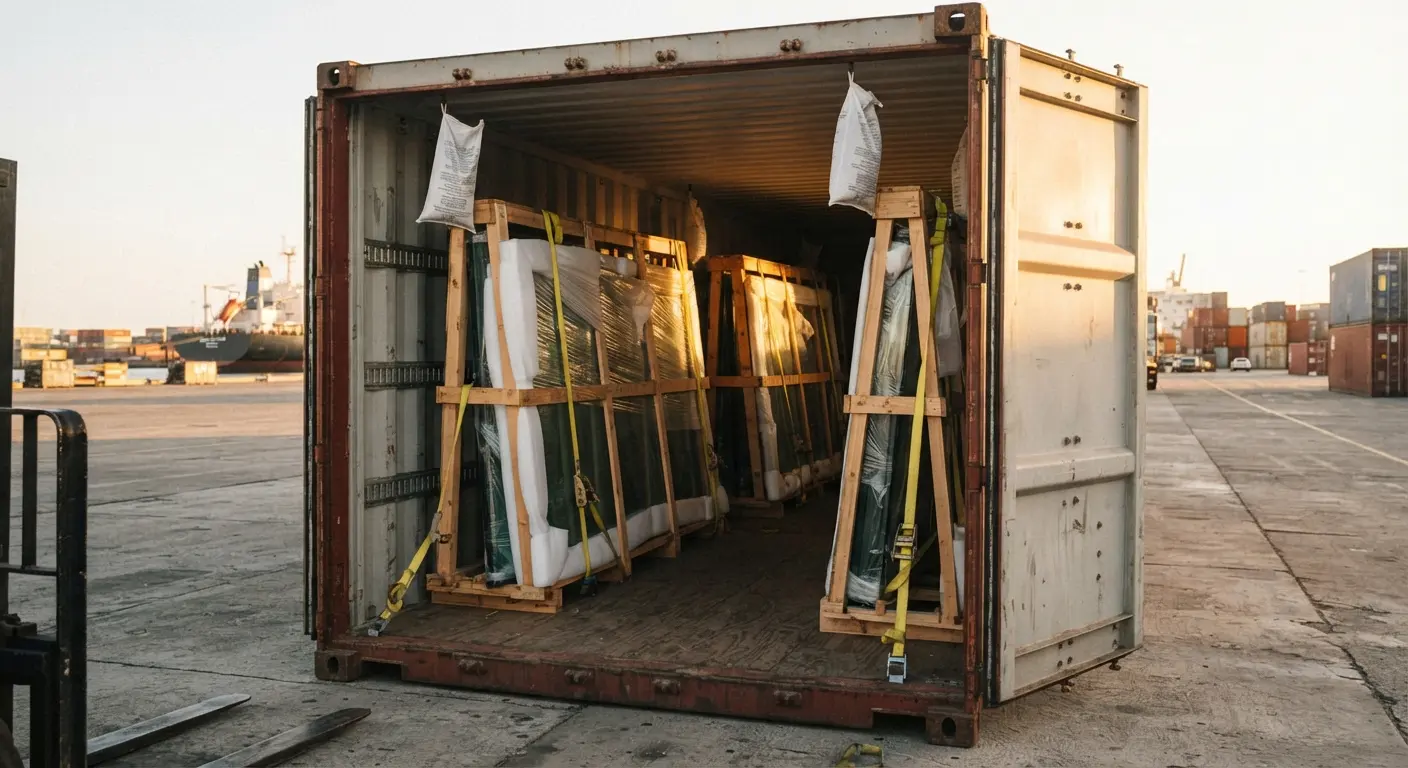
Glass Container Shipping: The Factory Playbook for Crating, Loading, and Zero-Damage Delivery
The operational guide behind every architectural glass container we seal: 4 crate types, weight-vs-volume math, the 7-step loading protocol, the 6 damage zones to design against, FCL vs LCL, ICC marine insurance, HS codes, and the 5 pre-seal photos every buyer should demand.
 Buyer's Guide
How to Import Architectural Glass from China: A Buyer's 5-Stage Playbook
The 5-stage import journey architects and glazing contractors actually run — supplier scorecard, Incoterms explorer, container load calculator, and a worked landed-cost build-up from an operating Wuhan factory.
 Buyer's Guide
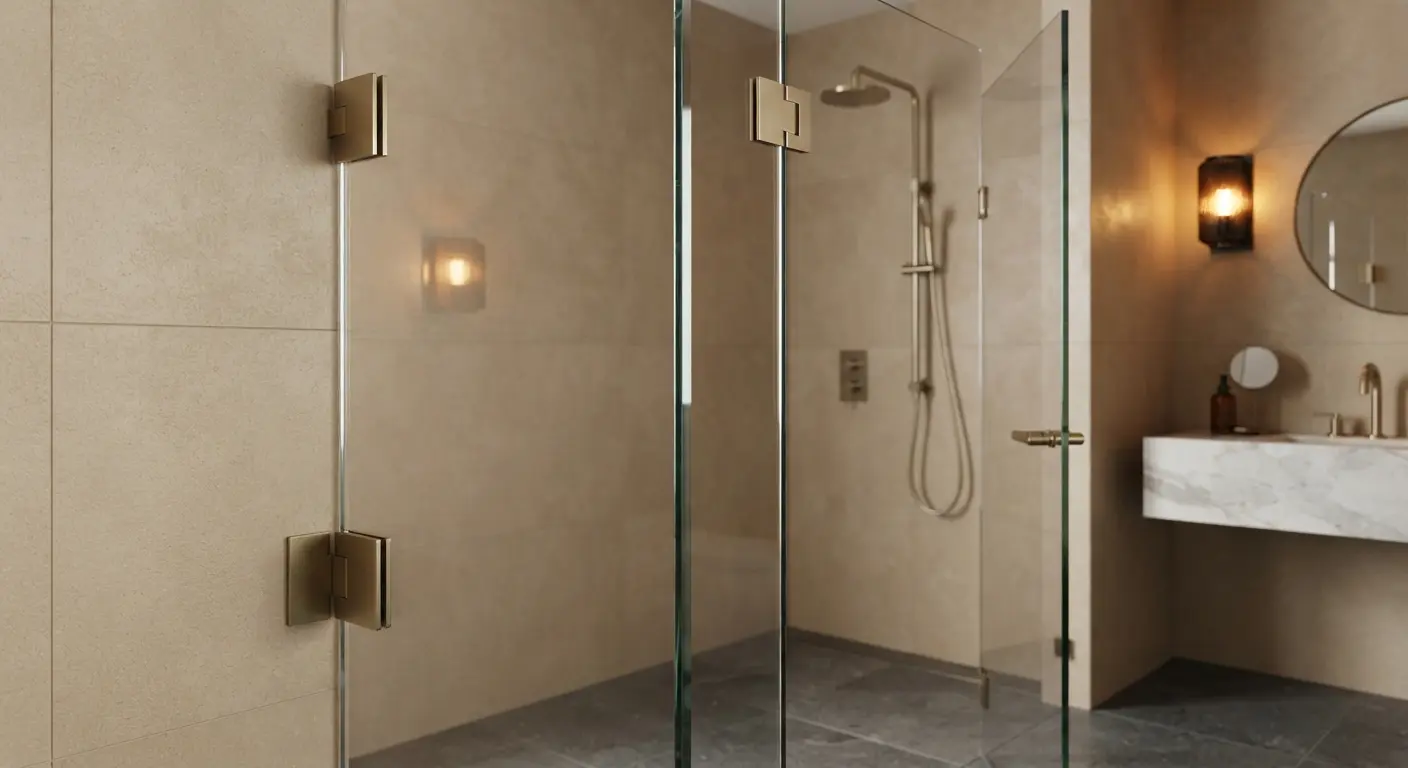
Shower Glass Thickness Guide: 5, 8, 10 or 12 mm — Which Is Right for Your Enclosure?
Four variables decide shower glass thickness: support type, use case, panel geometry, and local code. Interactive selector, hardware-load math, and the global code map (CPSC / EN / GB / AS) in one factory-floor guide.
 Buyer's Guide
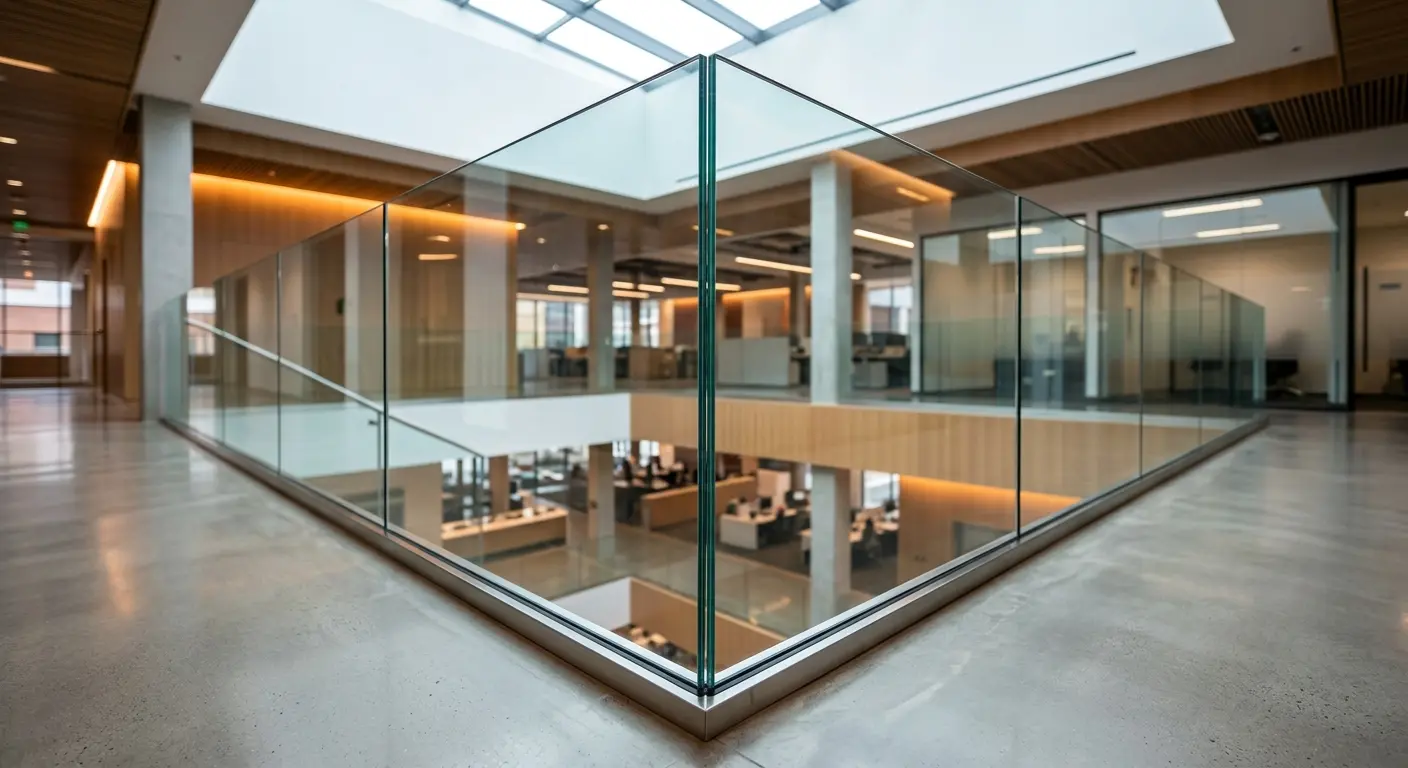
Balustrade Glass Specification: Loads, Build-ups, and the Pendulum Test That Decides the Spec
Balustrade glass is not specified by thickness — it is specified by load case and failure behaviour. The 4 load inputs, 3 real-world build-ups (monolithic / PVB / SGP), EN 12600 impact classes, and the hardware decisions that quietly drive the glass make-up. Factory-perspective guide from a Wuhan laminating line.
 Buyer's Guide
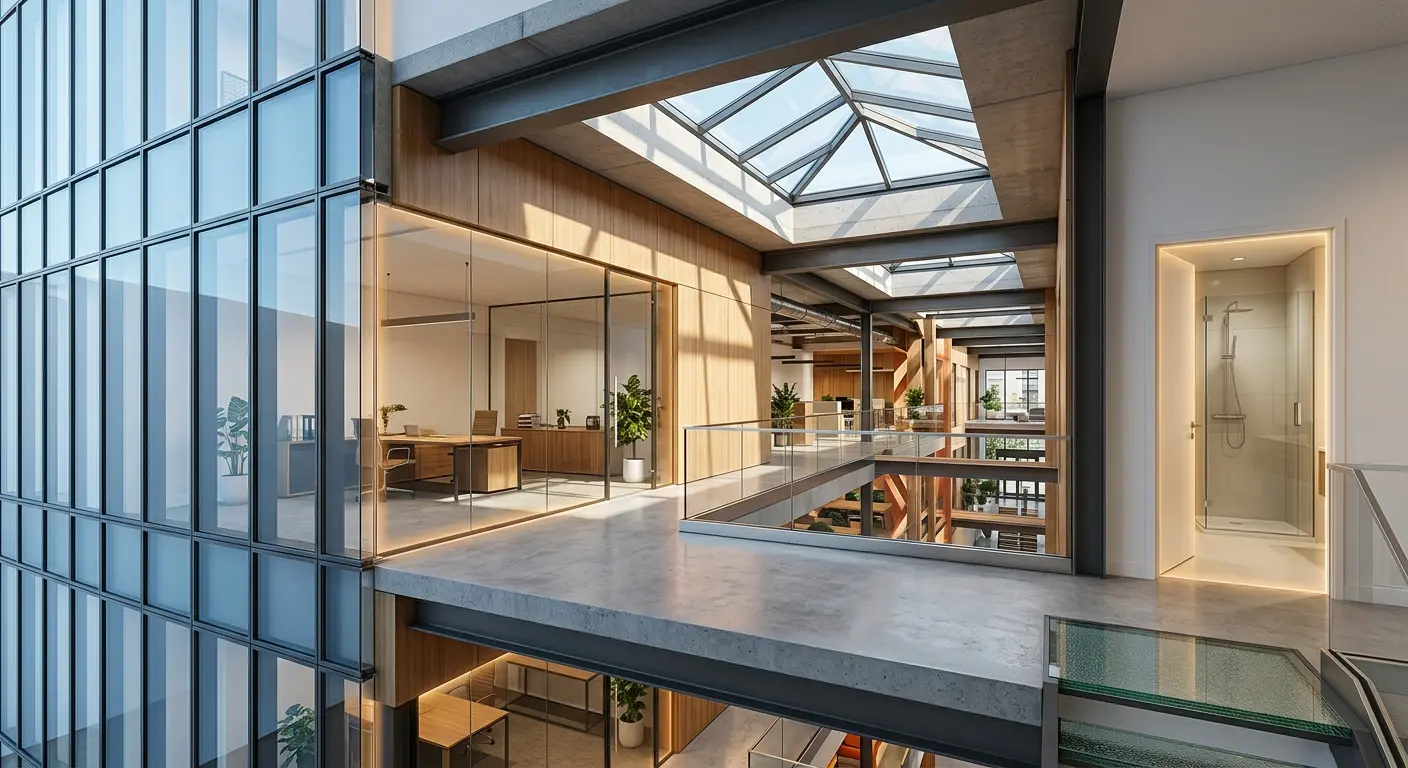
Architectural Glass Applications: The Complete Buyer's Zone Guide
Six application zones cover 95% of commercial glazing — facade, interior, balustrade, shower, skylight, floor. Each has its own code, its own loads, its own default build-up. Interactive building explorer, decoded glazing schedule, and the zone-by-product decision matrix.
 Buyer's Guide
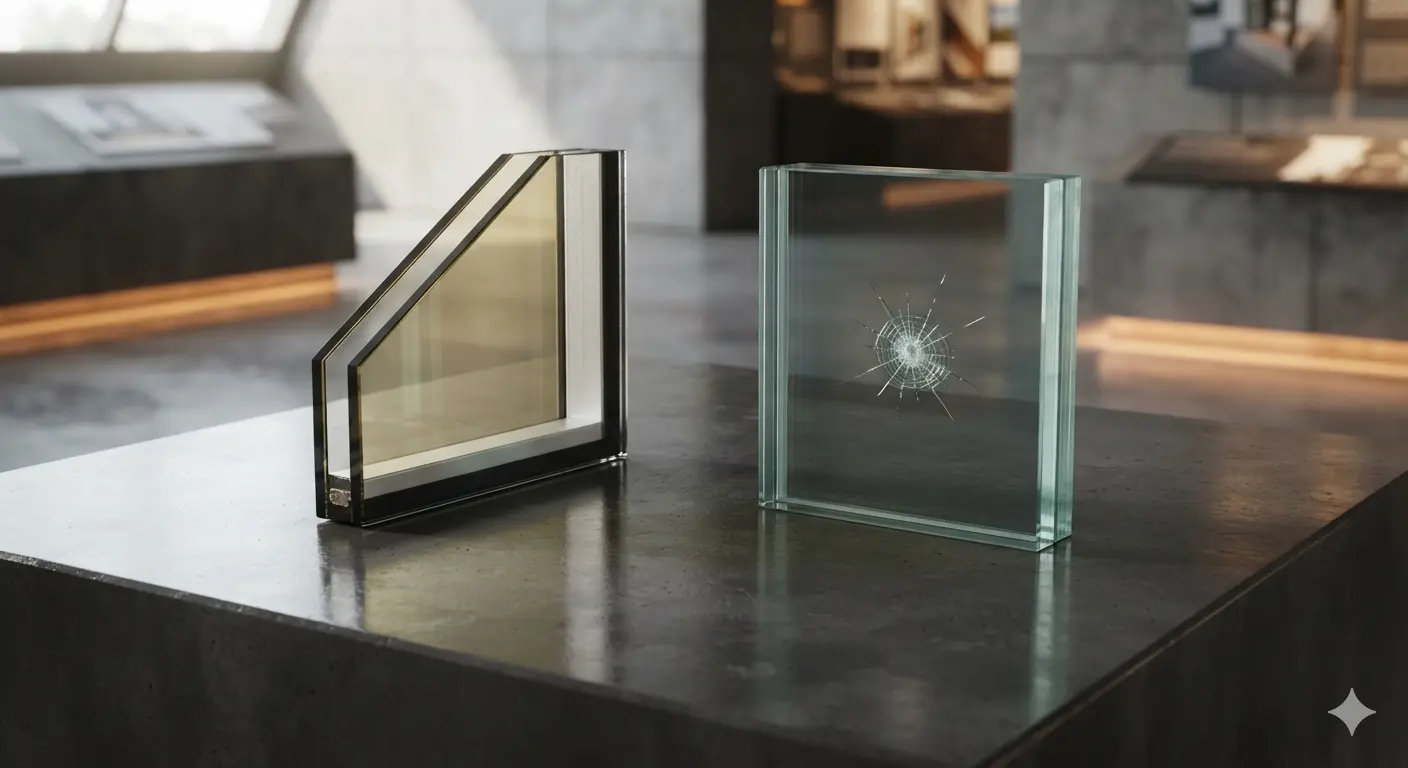
Insulated Glass vs Laminated Glass: Which One Does Your Project Actually Need?
IGU for thermal insulation. Laminated for safety and sound. Pick by scenario (not by spec sheet) with 5 buyer archetypes, performance radar comparison, and cost reality from a Wuhan factory.
 Buyer's Guide
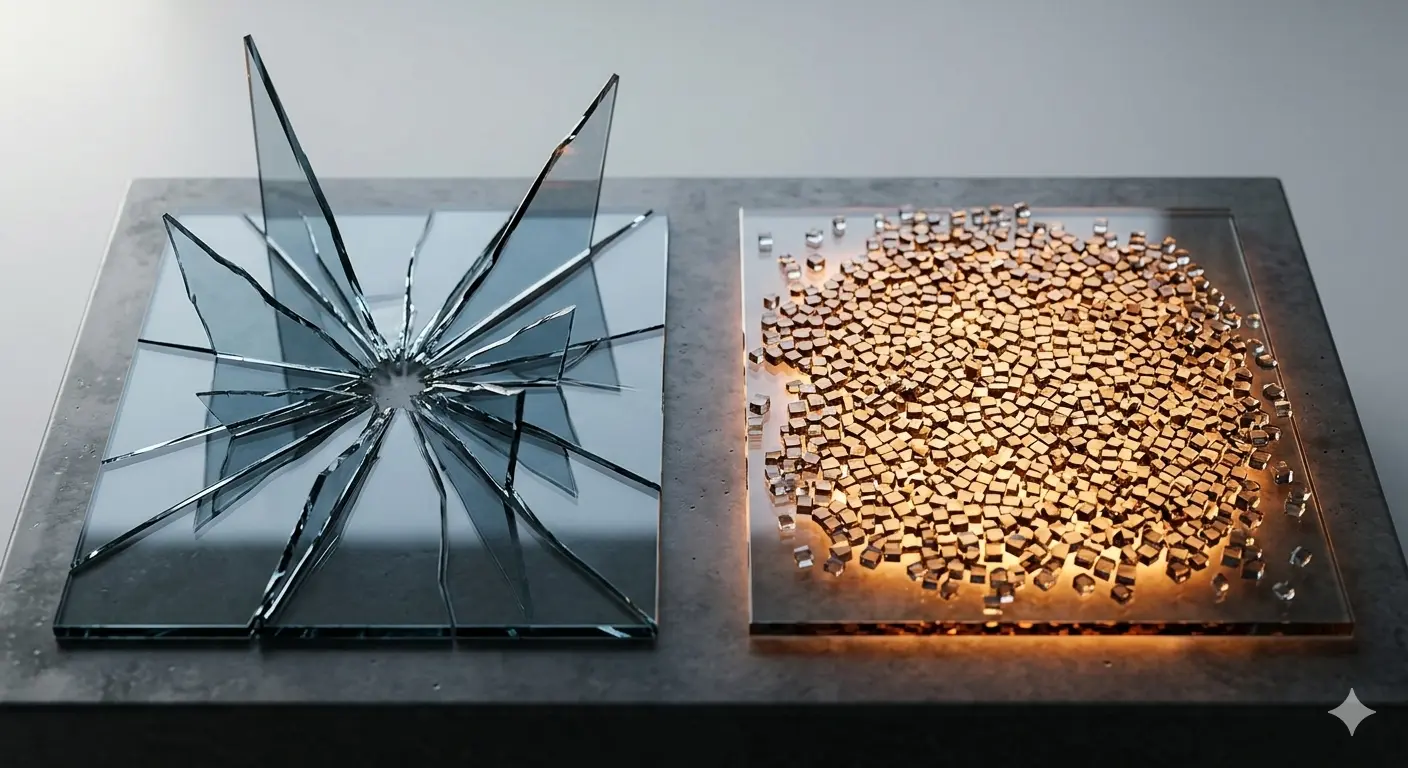
Tempered Glass vs Annealed Glass: Why 'Regular' Glass Isn't Safe Enough for Most Modern Buildings
Annealed is the raw float glass; tempered is annealed that's been heat-treated to 4-5× the strength with safe breakage. Here's where code forbids one and when annealed is still the right choice.
 Buyer's Guide
Architectural Glass Types: The Complete Buyer's Guide
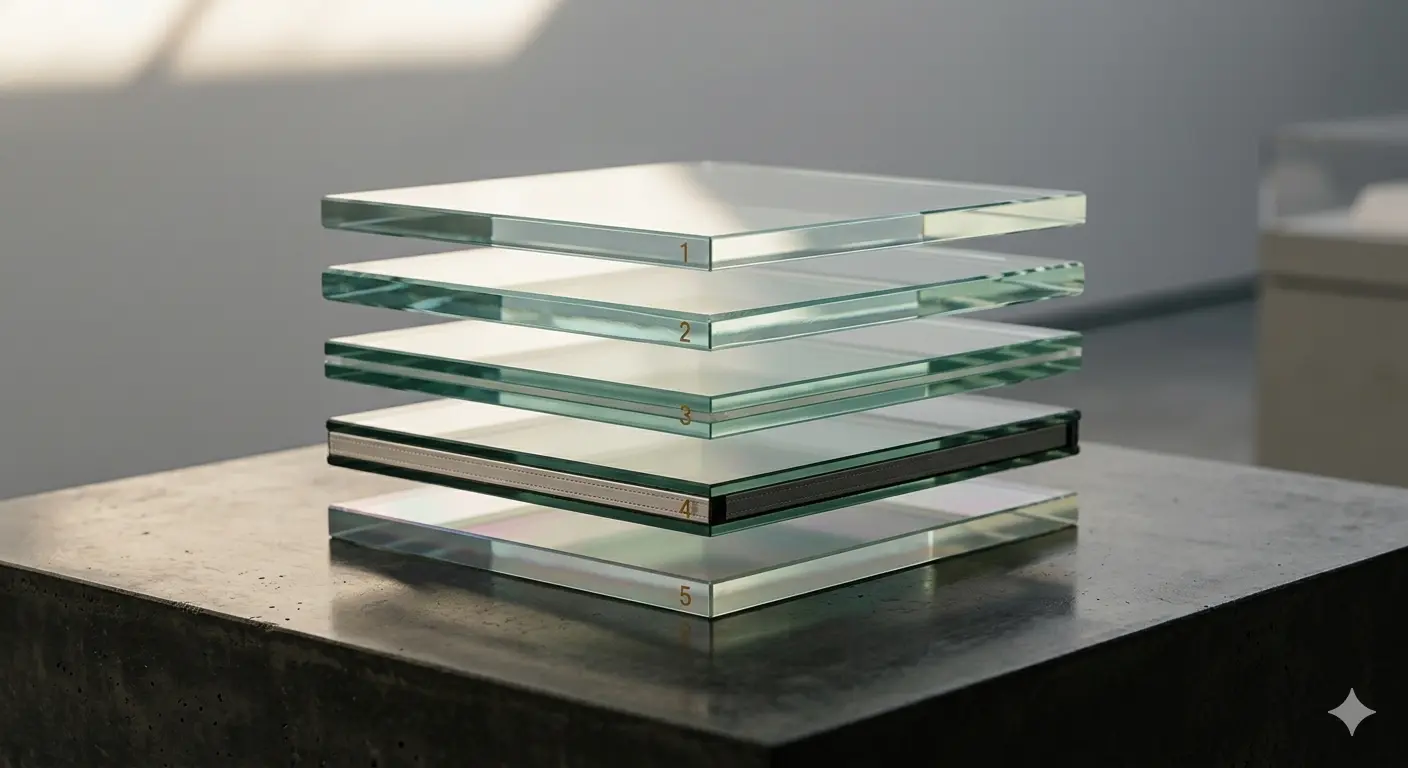
Five families of architectural glass, nine products, one decision framework. Interactive selector finds the right glass for your project in 3 clicks — with deep-dive links to every comparison.
 Technical Guide
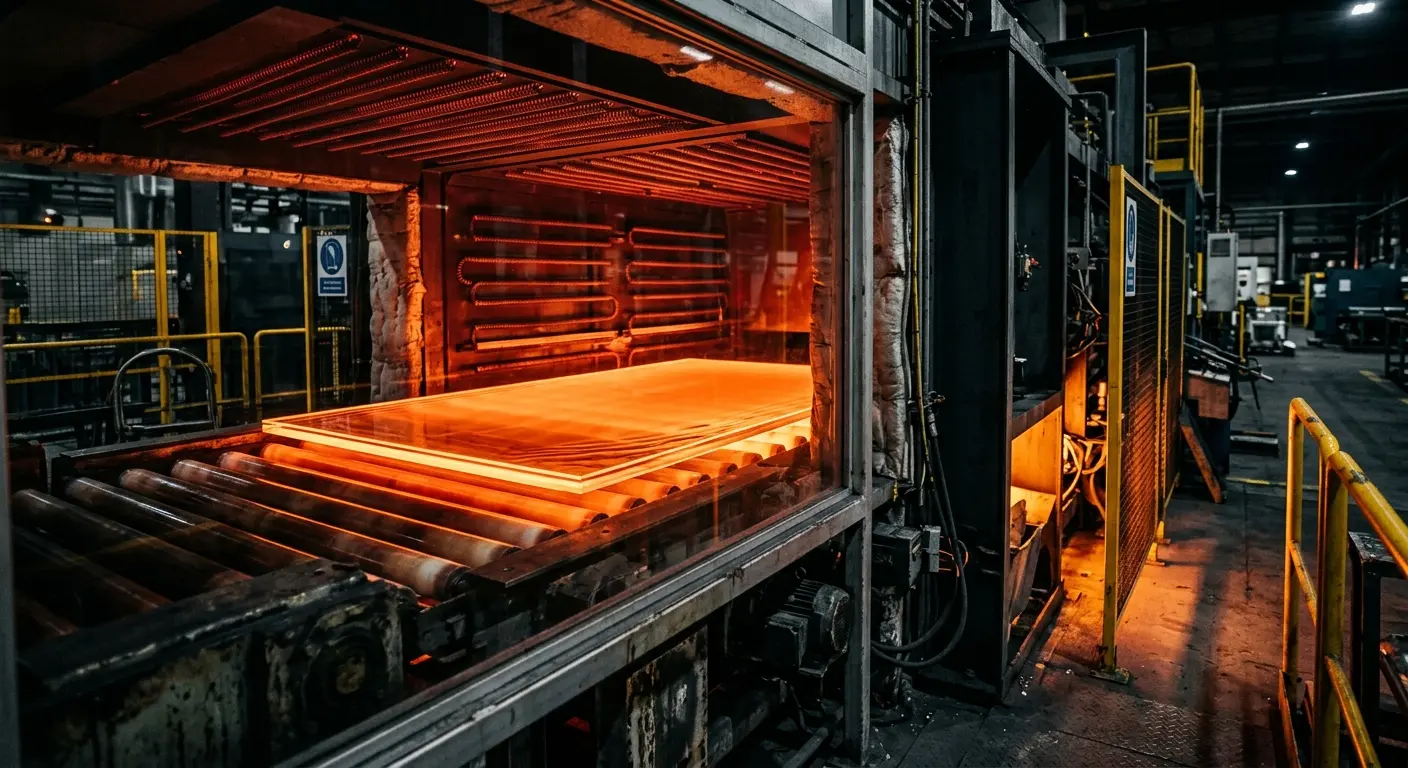
How Is Tempered Glass Made? A Factory-Floor Walk-Through of the 7-Phase Production Line
Not a textbook explanation. A production-floor walk-through: cutting tolerances, edge micro-cracks, 620°C furnace, the 15-second quench that locks in 4-5× strength, and the NiS risk nobody talks about. Written from a working Wuhan tempering line.
 Technical Guide
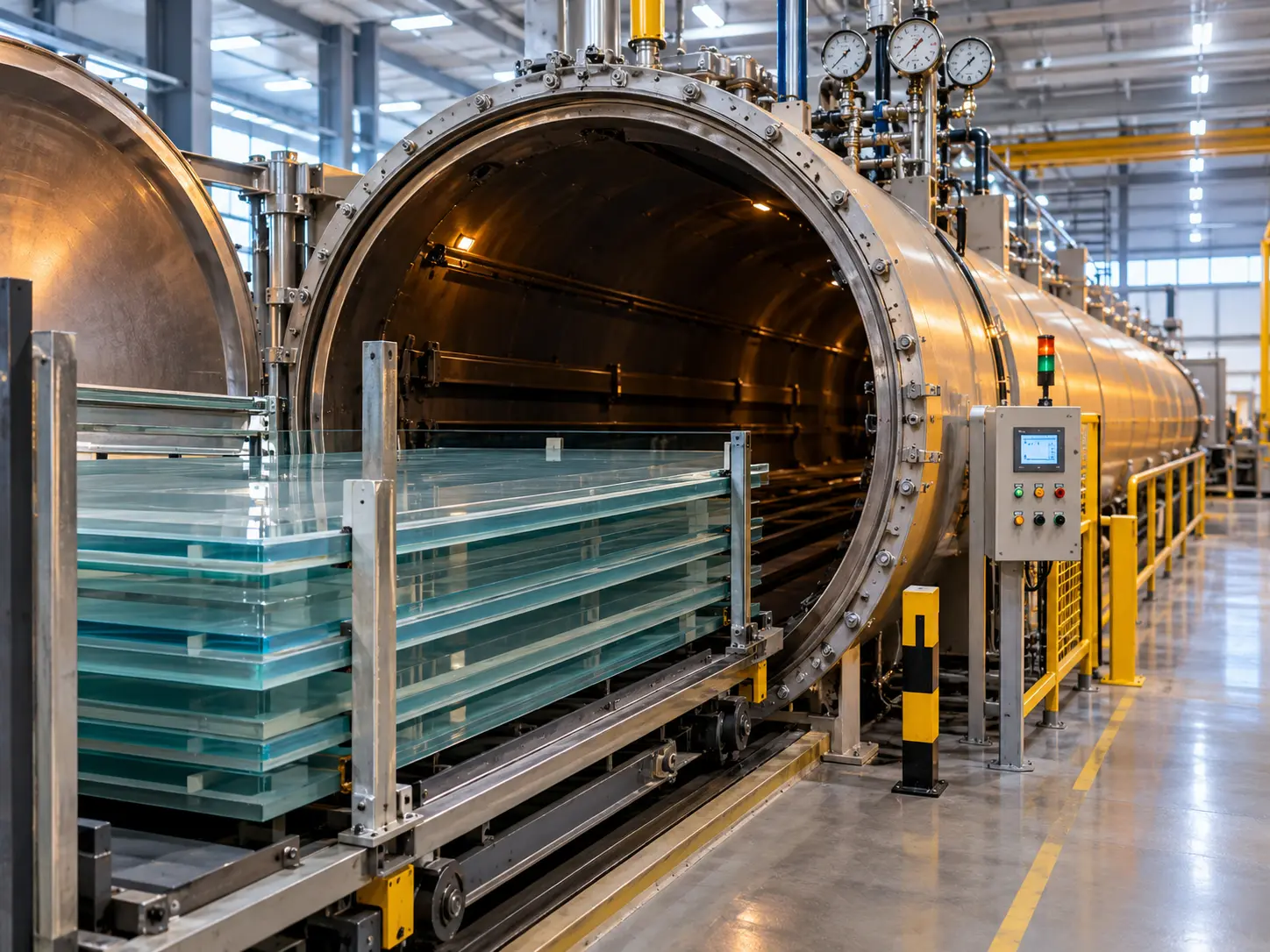
How Is Laminated Glass Made? Inside the Autoclave That Chemically Fuses Glass to PVB
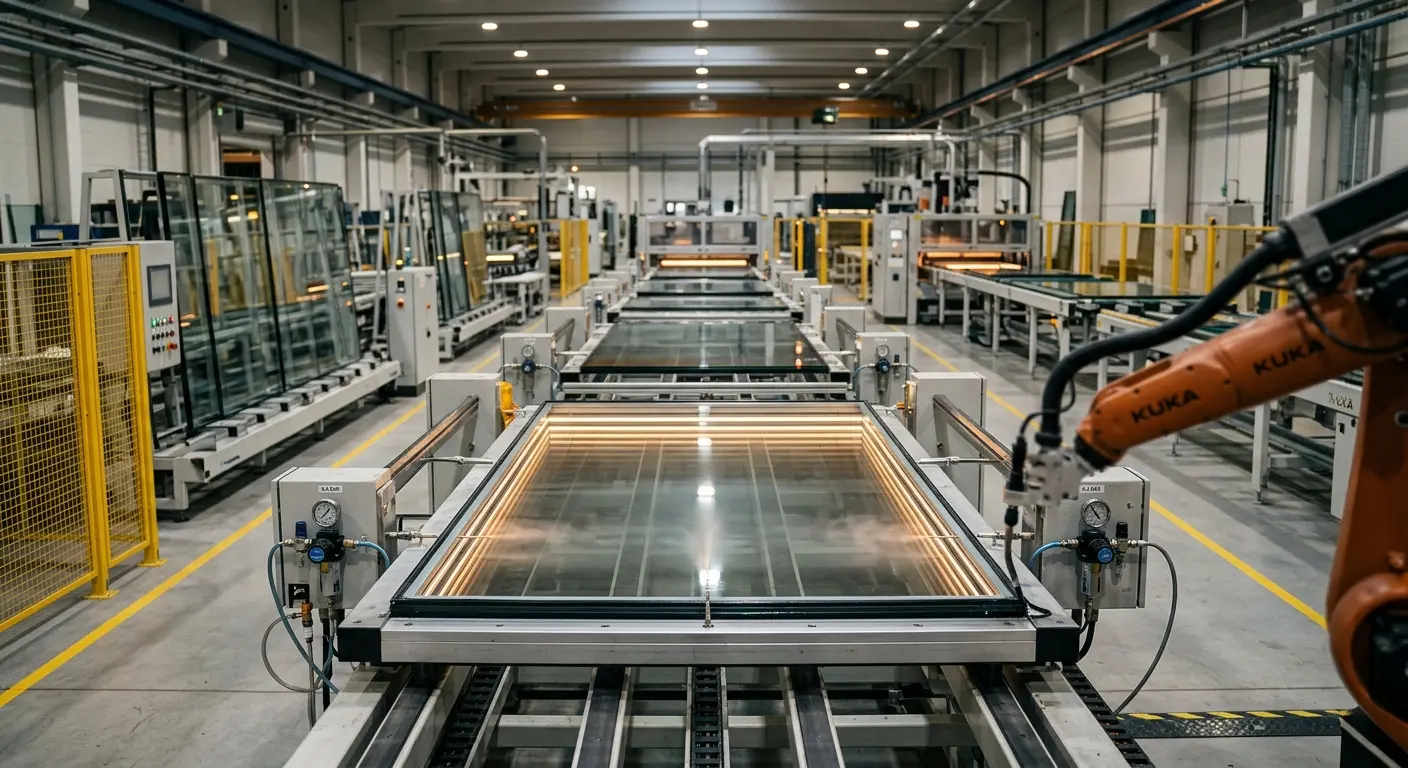
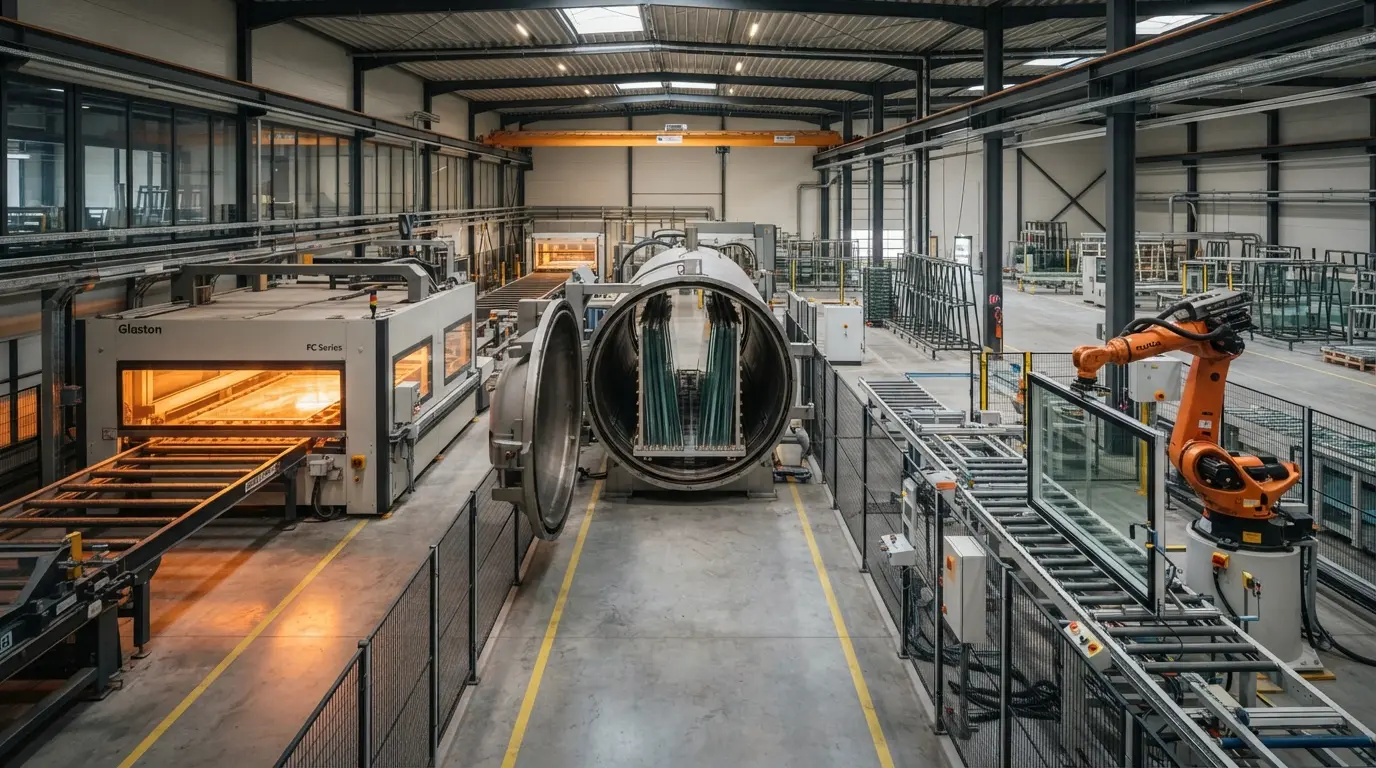
Not just 'two panes with plastic between.' A factory walk-through of the lamination autoclave cycle: 140°C, 12 bar, 2.5 hours — plus the PVB vs SGP decision, dust-free assembly, and the defects nobody writes about.
 Technical Guide
How Is Insulated Glass Made? Inside the 25-Year Sealed System That Cuts Heat Loss by 70%
An IGU is not just two panes with a gap. Five components, 8 assembly stations, dual-seal chemistry, argon fill mechanics, and the QC tests that separate a 30-year unit from a 10-year failure. Factory walk-through from Wuhan.
 Technical Guide
Architectural Glass Manufacturing: The Complete Buyer's Process Guide
Three fabrication processes — tempering, lamination, IGU assembly — convert raw annealed glass into every architectural product. A buyer's map to which process creates what, which supplier capabilities matter, and how to audit a factory properly.
 Buyer's Guide
Curtain Wall Glass Specification: Build-ups, Codes, and the 4 Objectives Every Spec Must Satisfy
The 4 objectives of curtain wall glass (safety, thermal, wind load, acoustic), 4 typical build-ups from basic to hurricane-rated, regional code requirements across IBC/EN/GB/AS, and the procurement pitfalls that create expensive problems later.