The 30-second verdict
Choose low iron for a shower when the enclosure is frameless and 8 mm or thicker; on a thin, fully framed screen the premium is optional. A shower door is tempered safety glass either way - low iron simply removes the green cast you see at the edge and through thick panels. The decision is never about strength and almost always about how much of the glass edge is on show. For the base material behind all of this, see our complete guide to low iron glass.
What low iron shower glass actually is
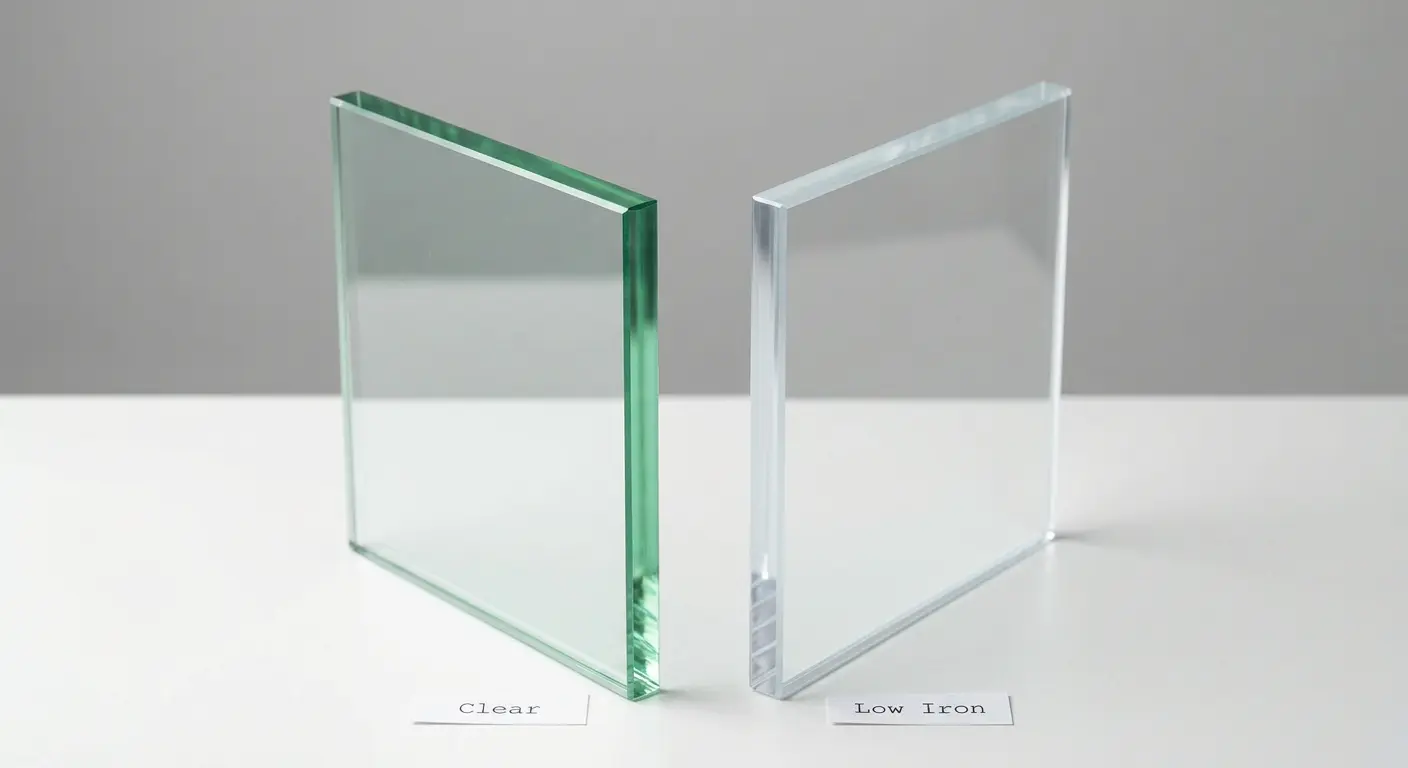
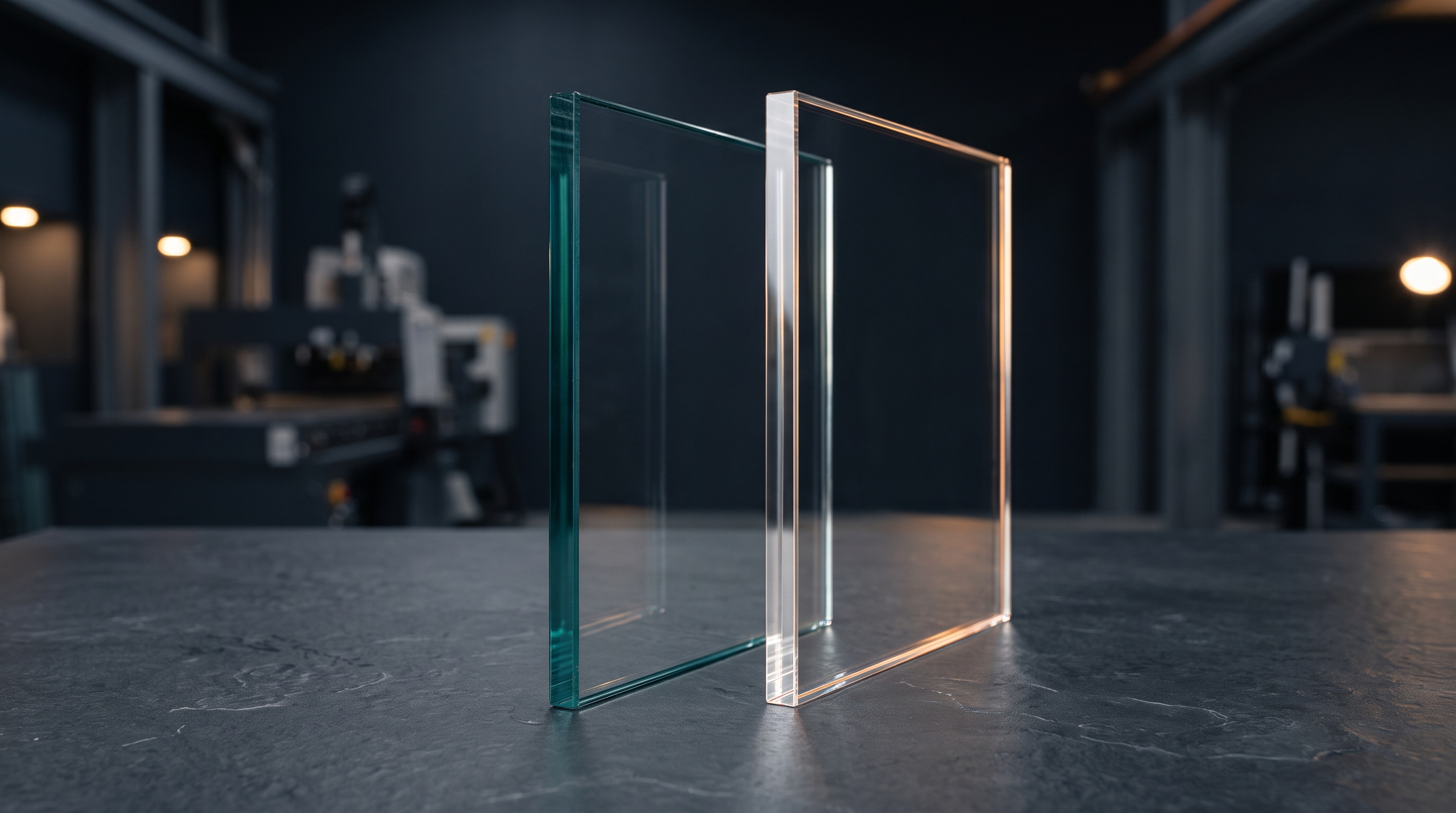
Low iron shower glass is standard shower glass made from a low iron melt. Ordinary float glass carries iron oxide that gives it a green tint; low iron float uses far less iron (typically under 0.01 percent Fe2O3), which removes the green and lifts clarity. It is then tempered to the same safety standard as any shower panel - heated and quenched so it is four to five times stronger than annealed glass and breaks into small, blunt granules. Whether it can be toughened at your thickness is covered in our low iron tempered specification guide; the short answer for showers is yes, across 6 to 12 mm.
Framed vs frameless: where it matters
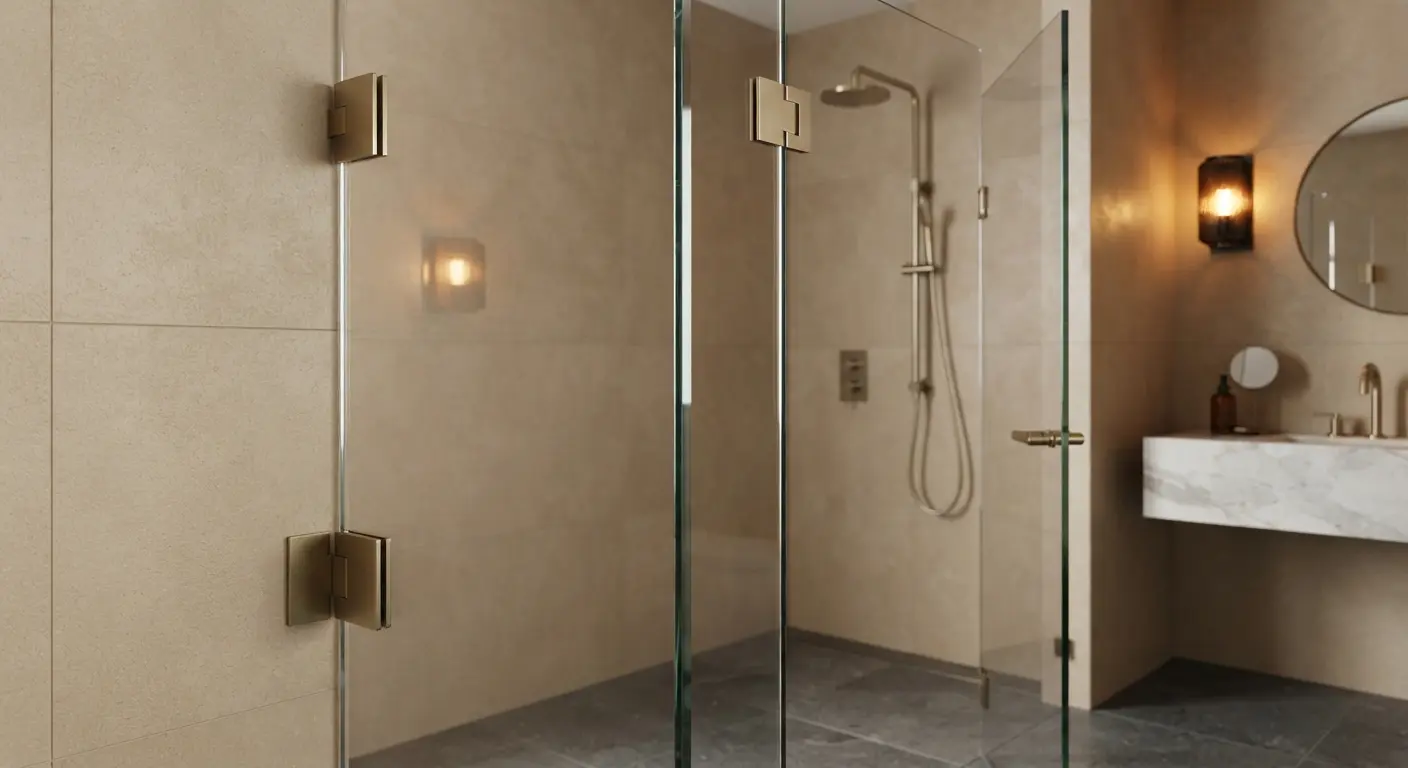
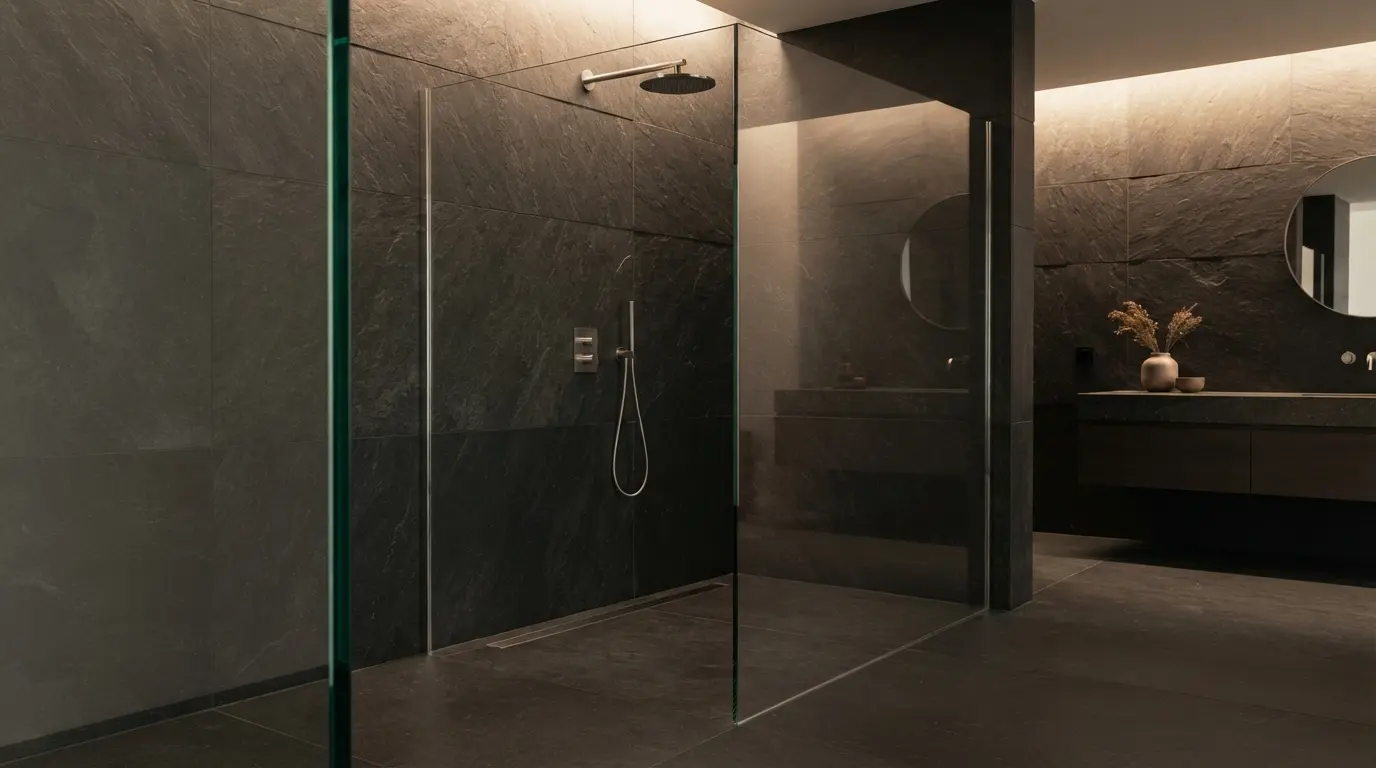
The enclosure style decides most of the answer. A frame covers the edge, which is exactly where the green of standard glass is strongest, so a fully framed screen hides the one place low iron helps most. A frameless enclosure puts a thick, polished, fully exposed edge at eye level, where the color is unmistakable. Set your enclosure and thickness below for a direct call.
Frameless panels this thick put a fully exposed, deep-green edge at eye level. This is the classic case for low iron: the colorless edge is the whole point of going frameless.
Guidance for a typical residential enclosure. Overhead glass, steam rooms and oversized panels have extra safety requirements - send us the drawing for a firm call.
Get a quote for this product
How green is standard shower glass
The green is mild at 6 mm and obvious by 12 mm, because iron absorption compounds with the thickness of glass the light passes through. On a frameless panel you also see straight into the polished edge, which concentrates the color. Step through the thicknesses to see the difference at the edge.
Swatches are illustrative of the relative difference, viewed at the edge at arm’s length in bathroom light - not measured color coordinates.
Which thickness for a shower
Shower glass is specified by enclosure type: 6 mm for framed screens, 8 mm for semi-frameless, and 10 to 12 mm for frameless panels that carry their own weight on minimal hardware. Low iron is available across the whole range with no change to the tempering, so the thickness choice is driven by the enclosure and the hinge loads, not by the glass chemistry. The thicker you go, the more a low iron upgrade pays back visually.
What it adds to the job
Expect a 20 to 25 percent premium over standard clear on the glass line itself. Because the hardware, edgework and installation are a fixed cost shared by both options, the premium is a smaller slice of the finished enclosure than the per-square-meter figure suggests. Build an estimate for your enclosure below.
| Standard clear tempered (total) | $323 |
| Low iron tempered (total) | $368 |
| Low iron premium | +$45 · 12% of the job |
Reference pricing only (glass FOB Wuhan, 2024 Q1 - 2026 Q3); subject to spec, coating, FX. Not a formal quote. Hardware is a fixed cost shared by both options, which is why the premium is a modest share of the finished enclosure.
2026 reference pricing, FOB Wuhan factory. Subject to formal quotation.
Cleaning, coatings and steam
Low iron does not resist water spots or limescale any better than clear glass - clarity and spotting are separate problems. The real anti-spotting step is a hydrophobic easy-clean coating, applied after tempering, which works equally on clear and low iron. In a steam shower or a fully enclosed room, specify the coating as rated for high humidity and confirm it suits the toughened surface. If the build-up needs to retain on breakage for an overhead or bench panel, low iron can also be laminated.
Low iron vs the alternatives for a shower
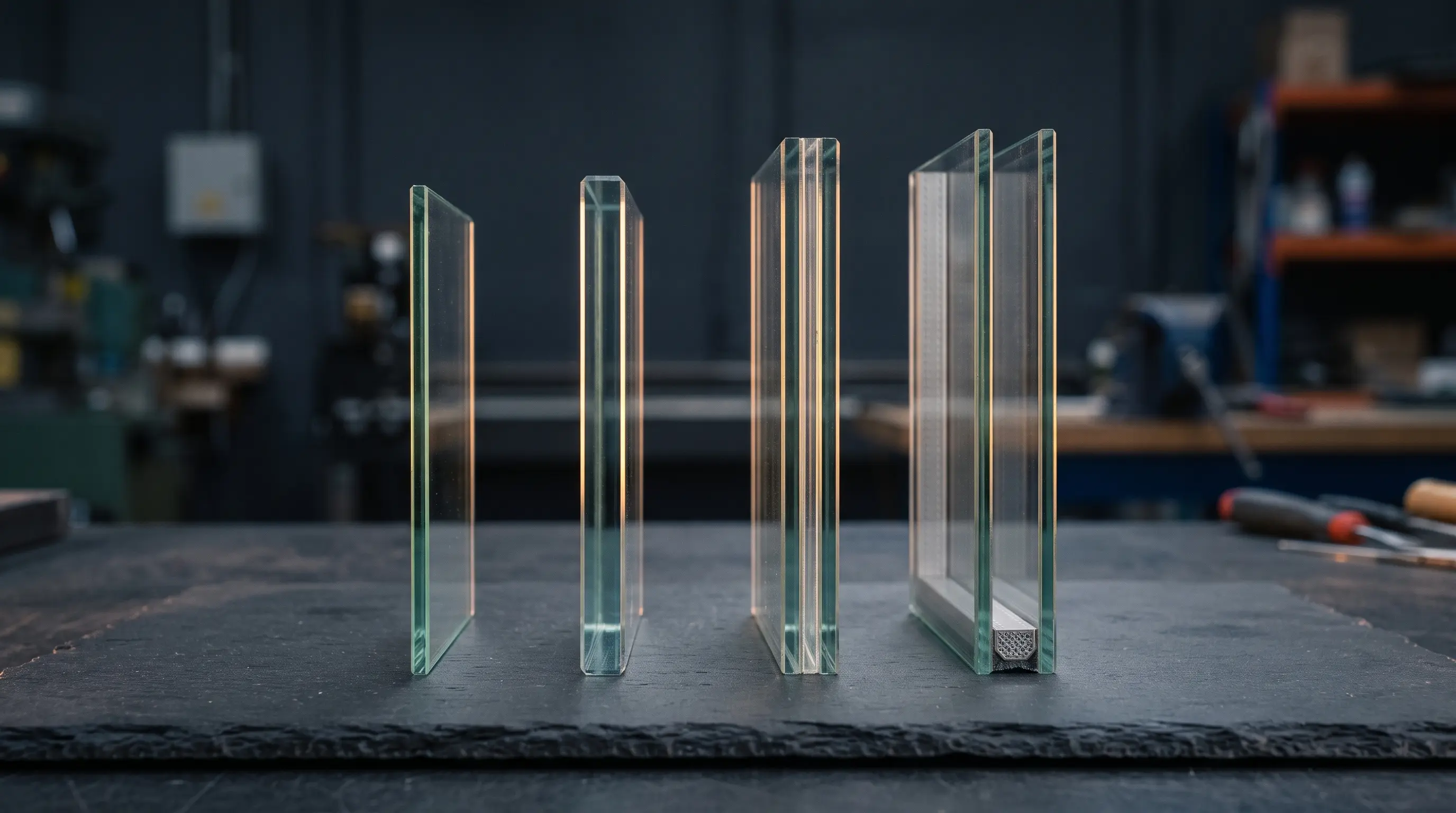
For a shower the real choice is low iron tempered versus standard clear tempered; laminated and coated options answer separate needs. The table sets out where each lands.
| Option | Clarity at the edge | Best shower use |
|---|---|---|
| Low iron tempered | Colorless, no green | Frameless, thick, high-visibility enclosures |
| Standard clear tempered | Visible green edge | Framed, thin, cost-led screens |
| Low iron + easy-clean coating | Colorless, resists spotting | Premium frameless and hard-water areas |
| Low iron laminated | Colorless, retains on breakage | Overhead panels, benches, steam-room ceilings |
Pricing a low iron shower enclosure?
Send us the panel sizes, enclosure type and thickness and we will confirm temperability, heat soak and a firm price.
How to order it
A clean shower order names six things so quoting is fast: the glass as low iron float (and the optical grade if a brand is specified), the thickness by enclosure type, that it is tempered to EN 12150 or ASTM C1048, whether heat soak to EN 14179 is required, the edgework and cut-outs for hinges and handles, and any easy-clean or laminated build-up. With those six we confirm temperability and panel size and return a firm quote.
FAQ
Frequently Asked Questions
On a frameless 8-12 mm enclosure, yes: the exposed edge of standard glass reads clearly green. On a thin framed screen the tint is hidden, so it is optional.
Yes. Both are tempered to the same safety standard. Low iron only changes clarity and color; toughening and resulting strength are identical.
Framed screens use 6 mm, semi-frameless 8 mm, and frameless 10-12 mm. Low iron is available across all of them with no change to tempering.
Heat soak is advised for frameless shower panels because a spontaneous break is a safety and cost problem. It is driven by the application, not by choosing low iron.
Budget about 20-25% over standard clear on the glass line. Because hardware and install are fixed, it is a smaller share of the finished enclosure.
No glass type prevents hard-water spotting. Ask for an easy-clean hydrophobic coating; it works on both clear and low iron and is the real anti-spotting step.
Starphire is one brand of low iron float. Optiwhite, Diamant and UltraClear are equivalents. Specify the grade and thickness rather than the brand.
Yes. The easy-clean coating is applied after tempering. Confirm the coating is rated for the toughened, humid shower environment before ordering.
Products referenced in this article

Li Cheng
CEO at Sincere Glass
CEO at Sincere Glass (欣城玻璃) with 10+ years in architectural glass. Oversees production and quality at our 20,000 m² Wuhan facility.
Technical review: Albar, Technical Lead
Need Custom Glass for Your Project?
Get a free quote from our engineering team. We'll help you choose the right glass type, thickness, and coating for your specific requirements.